Patriotic Eagle Embroidery Design
A Designer’s First Look: Bold, Clean, and Unmistakably American
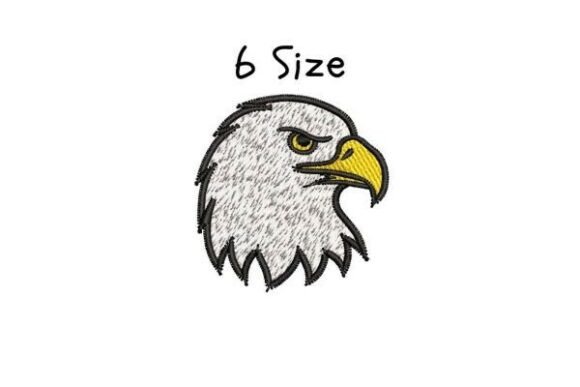
When I opened the Patriotic Eagle Embroidery Design file for the first time, what struck me wasn’t just the eagle—but how confidently it occupies space. This isn’t a fussy, overly detailed wildlife study; it’s a stylized, strong emblem built for real-world embroidery. The wings are broad and balanced, the head turns with quiet authority, and the shield-and-stars motif is integrated—not tacked on. It reads instantly as patriotic without leaning into cliché, which matters when you’re stitching for boutique apparel or personalized gifts. As an Animals-category design, it bridges symbolism and species in a way that feels intentional, not generic.
How It Lands on Real Products—Not Just Screens
Last week, I prepped this design for a client’s limited-run batch of heavyweight cotton tote bags—intended for a local veterans’ fundraiser. I chose the medium size (approx. 4.5” wide), centered it on the front panel, and stitched it using 40-weight rayon thread on navy fabric. The result? Crisp satin-stitched feathers, clean fill-stitch stars, and zero puckering—because I used cutaway stabilizer underneath and a light tear-away on top. That flat finish the product description mentions? It’s achievable—but only if you respect the stitch density. This isn’t a low-density machine embroidery design meant for quick runs on unstable fabric. It’s built to hold detail, so it needs structure.
I also tested it on a baby onesie (lightweight knit) and a structured cotton cap. On the onesie, I dropped to the smallest size, swapped in soft stretch stabilizer, and reduced top tension slightly—the eagle held up beautifully, though I skipped the tiny star details at that scale. On the cap, the curved surface demanded re-hooping and careful digitizing alignment; the design’s symmetrical balance helped immensely. It didn’t fight the curve—it flowed with it.
Where It Shines—and Where to Pause
This embroidery file excels on stable, medium-to-heavy fabrics: canvas totes, denim jackets, tea towels, pillow covers, and unstructured aprons. Its bold lines and generous negative space make it ideal for custom apparel where legibility matters at arm’s length. I’ve used it as a focal point on holiday kitchen towels (paired with simple red/white thread), and as a subtle chest accent on men’s sweatshirts—always with high-contrast thread choices to let the shape sing.
That said, tread carefully on thin or highly textured fabrics like linen napkins or fleece blankets. The fill-stitch areas can telegraph through lightweight weaves, and dense feathering may overwhelm delicate surfaces. On dark fabric, avoid pale thread unless you’re aiming for subtlety—this design gains strength from contrast. And while it works well as an embroidered patch, don’t try to shrink it below 3” for iron-on applications: fine beak and talon details soften quickly.
What It Adds to Your Handmade Product—Beyond Aesthetics
Customers respond to authenticity—not just patriotism, but craftsmanship. When the Patriotic Eagle Embroidery Design is stitched cleanly, it signals care: proper hooping, thoughtful stabilizer choice, attention to thread sheen and color harmony. That builds trust, especially for Etsy sellers offering personalized gifts or small shop owners curating seasonal merchandise. I’ve seen buyers specifically mention “the eagle detail” in reviews—not just “it’s cute,” but “the wing feathers look hand-drawn.” That’s the power of smart digitizing.
For craft business branding, it slots neatly into July 4th collections, military appreciation bundles, or Americana-themed nursery decor. Used consistently across mugs, patches, and tea towels, it creates visual continuity without feeling repetitive—thanks to its strong silhouette and adaptable scale.
Practical Designer Notes You’ll Actually Use
- Always test first—on scrap fabric matching your final product’s weight and stretch. Even with 5 sizes included, behavior changes across substrates.
- Check thread color contrast before stitching large batches. Red/white/blue reads clearly, but charcoal on navy or ivory on cream requires extra scrutiny.
- Review stitch density in your embroidery software. Areas like the eagle’s chest and wingtips carry more fill stitches—adjust underlay if needed for plush fabrics.
- Confirm hoop size for your chosen variant. The largest size may require a 6x10” hoop or larger—don’t assume it fits your standard 4x4.
- Inspect small details at actual stitch-out scale: beak sharpness, star separation, and shield outline clarity all impact perceived quality.
- Test black-and-white mockups—this design holds up exceptionally well in monochrome, expanding its use for minimalist branding or gender-neutral baby items.
- Use proper stabilizer—cutaway for stability, tear-away for lighter finishes, and always match weight to fabric. Skipping this step guarantees distortion.
- Verify licensing before selling finished items or bundling the digital embroidery file—this is essential for commercial embroidery and digital product sellers.
Final Thought: A Reliable Workhorse, Not Just a Holiday Gimmick
The Patriotic Eagle Embroidery Design doesn’t shout. It stands. That’s why it works beyond Fourth of July—it anchors a brand, personalizes a gift, and elevates a simple tote into something meaningful. It’s not the flashiest applique design on the market, but it’s one of the most dependable for real projects: consistent in stitch-out, versatile across sizes, and respectful of both fabric and wearer. For designers building a library of design assets, small shop owners curating evergreen merchandise, or Etsy sellers balancing seasonal demand with year-round appeal—it earns its place. Just remember: great embroidery starts before the needle moves. Test it. Stabilize it. Respect its density. Then let the eagle take flight—on your next embroidery project, your next finished product, and every handmade moment in between.