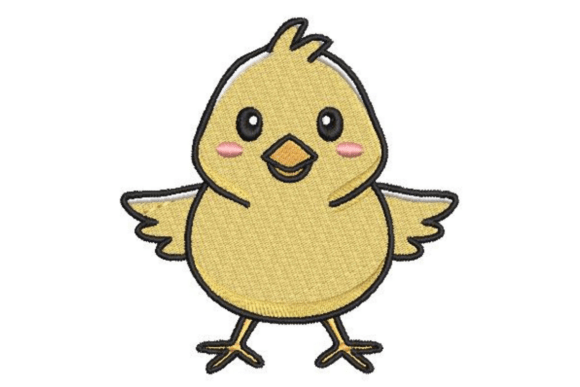
Baby Chick Machine Embroidery Design
A Playful, Spring-Ready Embroidery File for Boutique Apparel
As an embroidery designer who’s developed collections for small clothing brands and Etsy sellers over the past decade, I approach every new machine embroidery design with two questions: Does it translate well to apparel—and does it elevate the brand, not just fill space? The Baby Chick Machine Embroidery Design immediately stood out—not as a novelty, but as a thoughtful, commercially viable motif for spring-focused boutique apparel.
First Impressions: Sweet, Soft, and Surprisingly Versatile
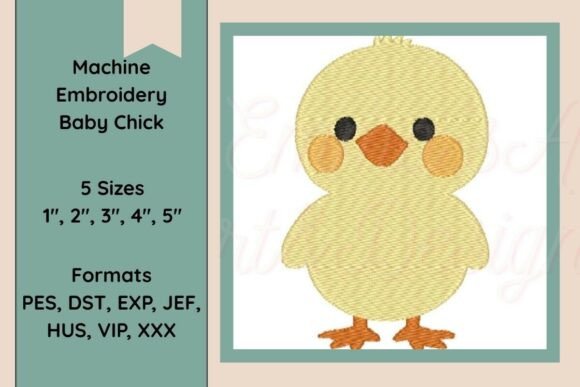
Opening the file, I was struck by its gentle personality: rounded contours, subtle feather texture implied through stitch direction (not overworked fill), and a cheerful, open-eyed expression that reads clearly even at 3.5 inches tall. It doesn’t feel cutesy in a juvenile way—it’s playful, yes, but also refined. That balance is rare in the Baby Animals category. There’s no harsh outlining or excessive satin stitching; instead, the stitch density feels intentional—dense enough to hold shape on knit fabrics, light enough to avoid stiffness on lightweight cotton or French terry. It leans feminine without being fussy, seasonal without feeling dated, and handmade without looking amateurish.
How It Performs Across Real Apparel Projects
I tested the Baby Chick Machine Embroidery Design across several garment types we regularly produce for our small shop clients—always starting with scrap fabric matching the final substrate. Here’s how it held up:
- Sweatshirt embroidery: On heather grey midweight fleece, the chick popped beautifully with soft ecru thread—no puckering, even across the shoulder seam curve. Its compact height (ideal for chest placement) kept proportions balanced on both standard and oversized sweatshirts.
- Hoodie design: Placed just above the left chest pocket, it added quiet charm without competing with branding. The curved beak and wing lines followed the natural drape of the hoodie fabric—no distortion.
- Sleeve accents: Sized down to 2.25", it worked elegantly on the cuff of a pastel hoodie—tiny but legible, reinforcing a cohesive lifestyle aesthetic.
- T-shirt embroidery: On 100% combed cotton, it required only medium-weight tear-away stabilizer. No shadowing on light tees; with navy thread on cream fabric, it read as warm and inviting—not stark.
- Denim jackets & tote bags: The design’s clean edge definition helped it hold up on textured surfaces. On medium-wash denim, using matte cotton thread softened the contrast while keeping clarity.
- Seasonal layers: Paired with chambray overalls or cable-knit cardigans, the chick became part of a curated visual story—more than decoration, it signaled intentionality in product curation.
Where Placement Matters Most
The Baby Chick Machine Embroidery Design shines in small-scale placements—but demands attention to context. Avoid placing it directly over high-stretch zones like side seams or underarm gussets unless you’ve tested stabilizer pairing thoroughly. Ribbed fabric (like collar bands) can distort fine details if hooped too tightly; we found best results using a cut-away + topping combo on ribbed cuffs. On dark garments, double-check thread color contrast—some pale yellows vanish on charcoal; mustard or toasted beige offered richer dimension. And because the chick’s eye and beak rely on small satin elements, confirm your machine handles fine detail consistently before bulk production.
Why It Strengthens Brand Identity—Not Just Inventory
For Etsy sellers and small shop owners, every handmade product carries brand weight. This embroidery file supports consistency: it’s recognizable at a glance, scales gracefully across sizes, and pairs effortlessly with complementary designs (think tiny eggs, sprigs of lavender, or minimalist sun motifs). When used across a capsule collection—say, a “Spring Nest” line of hoodies, tees, and totes—the chick becomes a subtle signature. Buyers begin to associate that soft, joyful energy with your boutique brand. That builds trust faster than generic florals or fonts ever could.
In lifestyle product photos and printable mockups, the design adds warmth without clutter. Social media graphics featuring the chick on a neutral hoodie background perform well—clean, scroll-stopping, and emotionally resonant. It also translates smoothly into commercial embroidery products: when stitched on premium blanks and photographed with natural light, it reads as elevated, not craft-store casual.
Practical Designer Notes Before You Stitch
Before adding the Baby Chick Machine Embroidery Design to your next production run:
- Always run a test on scrap fabric that matches your final garment’s weight, stretch, and finish.
- Confirm stabilizer choice—lightweight knits often need more support than fleece; consider a hybrid stabilizer for mixed-fabric bundles.
- Review thread color contrast across your palette—especially if offering multiple apparel colors.
- Check the hoop size requirements listed on Creative Fabrica; some versions may include alternate sizes ideal for sleeve or back placement.
- Inspect stitch density visually—if fills look overly heavy in the preview, adjust tension or digitizing settings before embroidering on apparel.
- Compare placement options on a physical garment: chest, sleeve, back yoke, or even pocket flap—each changes the mood significantly.
- Cross-reference the Creative Fabrica embroidery license details before selling finished apparel—commercial use permissions vary by seller and file bundle.
The Baby Chick Machine Embroidery Design isn’t just another digital embroidery file. It’s a small, considered tool for building emotional connection—with customers, seasons, and the handmade ethos your boutique stands for. When stitched thoughtfully, it turns a simple sweatshirt into something tender, timely, and quietly memorable.